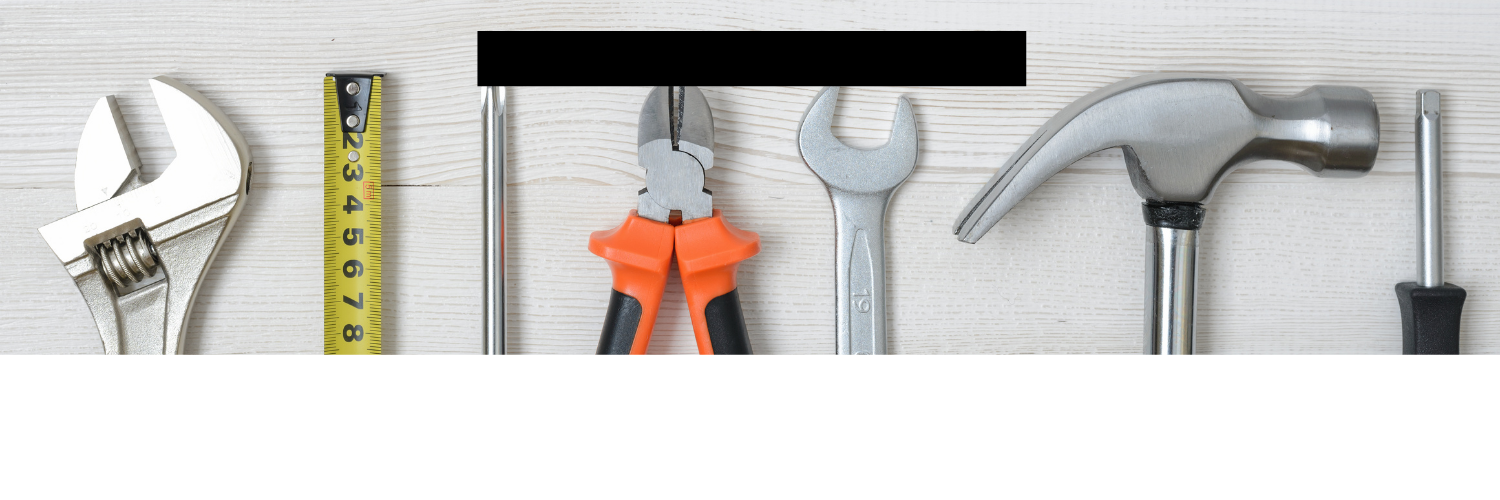

Starting your journey as a first-time maker can be overwhelming without the right tools. The best DIY tools for beginners include a reliable power drill, a quality tape measure, and a versatile set of screwdrivers. These essentials cover a wide range of projects and help build confidence in your skills.
Choosing tools that are easy to use but durable will save time and frustration. Investing in basic hand tools and a cordless drill offers flexibility and efficiency. This combination allows you to tackle many common tasks effectively.
Understanding the purpose of each tool is key to using them correctly and safely. This guide breaks down the must-have options for new makers to jumpstart their DIY projects with the right equipment.
Essential DIY Tools for Beginners
Starting with the right tools improves efficiency and safety. A beginner should focus on versatile, easy-to-use items that cover basic tasks without overwhelming complexity. Quality over quantity matters.
Must-Have Hand Tools
Every beginner needs a reliable claw hammer for driving and removing nails. It’s suitable for most light construction or repair tasks. A set of screwdrivers with both flathead and Phillips tips covers a wide range of screws.
Pliers, especially needle-nose and slip-joint types, provide grip, bending, and cutting functions. A utility knife is essential for precise cutting on various materials. Lastly, an adjustable wrench can handle nuts and bolts of multiple sizes, reducing the need for multiple fixed wrenches.
Selecting hand tools with comfortable grips and solid construction improves control and durability.
Basic Power Tools
A cordless drill is the most valuable power tool for beginners. It drills holes and drives screws with speed and accuracy. Choose one with variable speed settings and a rechargeable battery.
A jigsaw offers controlled cutting along curves and straight lines in wood, plastic, or metal. It’s useful for more detailed projects. A small orbital sander helps finish surfaces smoothly and removes old paint or varnish efficiently.
Safety features such as blade guards and ergonomic designs are important when selecting these power tools.
Measuring and Marking Tools
Accurate measuring and marking are critical in DIY work to ensure clean, professional results. A tape measure of at least 16 feet is fundamental for most projects, offering both metric and imperial units.
A combination square assists with 90- and 45-degree markings, depth measurements, and checking flatness. Marking tools like a sharp pencil or scribe are necessary for clear, precise lines on different materials.
A level ensures surfaces or installations are perfectly horizontal or vertical, preventing mistakes before cutting or assembling.
How to Choose the Right Tools
Choosing the right DIY tools involves balancing quality, project needs, and budget. The right selections will support your learning curve and future projects without wasting money or effort. Focus on durability, project-specific tools, and cost-effective starter kits.
Understanding Quality and Durability
Quality and durability determine how long your tools will last and perform reliably. Look for tools made from hardened steel or other robust materials. Brands with good reputations often provide warranties, which can be a sign of quality.
Avoid very cheap tools, as they tend to break or lose precision quickly. However, top-tier professional tools are not always necessary for beginners. Tools with ergonomic handles and rust-resistant coatings improve comfort and lifespan.
Selecting Tools for Your First Projects
Start by identifying the types of projects you want to complete. For woodworking, essential tools include a measuring tape, a claw hammer, and a handsaw. For electronics, basic wire cutters, pliers, and a soldering kit are must-haves.
Focus on versatile tools that serve multiple purposes. A cordless drill with adjustable speed and a set of drill bits is useful across many project types. Avoid buying large, specialized tools before you know you’ll use them regularly.
Budgeting for Starter Toolkits
Set a clear budget to avoid overspending on unnecessary tools. Basic starter kits often range from $50 to $150, which cover most beginner needs. Look for kits that include essential hand tools in one package to save money.
Consider incremental purchases if the initial set is too limited or expensive. Prioritize quality over quantity to ensure durability. Use online reviews and user ratings to verify the value of kits before buying.
Tool Safety and Maintenance
Using the right protection, regularly caring for your tools, and storing them safely extend their life and reduce the risk of injury. Each part of this process is essential to maintaining a safe and effective workspace.
Safety Equipment for DIY Projects
Wear safety goggles to protect your eyes from dust, wood chips, or metal shards. Work gloves shield your hands from splinters, cuts, and vibrations from power tools. For projects creating dust or fumes, a respirator mask is crucial.
Use ear protection, like earplugs or earmuffs, when operating loud machinery such as drills or saws. Footwear should be sturdy, closed-toe shoes to prevent injuries if tools or materials fall.
Always check your safety gear for damage before use and replace worn equipment immediately. Safety items must fit properly to ensure full protection at all times.
Proper Tool Maintenance Tips
Keep tools clean by wiping them down after each use to remove dirt and debris. For metal tools, apply a light coat of oil to prevent rust from forming on blades, screws, or moving parts.
Sharpen blades regularly; dull edges increase the risk of accidents and reduce efficiency. Tighten loose screws and handles to maintain tool stability during use.
Store rechargeable tools with batteries charged partially to extend their life. Inspect electrical cords for frays, replacing damaged cords to avoid electrical hazards.
Safe Storage Solutions
Store hand tools on a pegboard or in a toolbox to keep them organized and easy to find. Power tools require a sturdy shelf or cabinet, away from moisture and dust.
Use toolboxes with compartments or dividers to separate small parts like screws and nails. Label containers for quick identification.
Lock up sharp or heavy tools in areas inaccessible to children or pets. Avoid stacking tools haphazardly to prevent damage and injury.
Organizing Your DIY Workspace
A well-organized workspace improves efficiency and reduces frustration. Prioritizing ease of access to tools and having dedicated spaces for each activity can keep projects on track.
Setting Up a Functional Work Area
Choose a location with enough room to move freely and accommodate different projects. A sturdy workbench at waist height helps prevent strain during tasks. Position the bench near a power source and good lighting, ideally natural light supplemented by a bright LED lamp.
Keep the main work surface clear except for tools in immediate use. Place frequently used tools within arm’s reach. Consider attaching a pegboard above the bench to hang hand tools, maximizing vertical space and keeping items visible.
Maintain a clean floor area by using mats to reduce fatigue and investing in a small trash bin. This prevents clutter and creates a safer environment.
Storage Ideas for Beginners
Start with clear plastic bins to store parts and materials, making contents visible without opening them. Label each bin clearly by project or tool type. Use stackable containers to save floor space and group similar items together.
Small screwdrivers, drill bits, and other tiny parts benefit from compartmentalized organizers or tackle boxes. Magnetic strips are useful for metal tools, keeping them secure and accessible on walls.
Shelving units help organize larger items, but ensure heavy tools are stored on lower shelves to prevent accidents. Avoid overcrowding shelves to maintain easy access and reduce the chance of items falling.
Upgrading Your Tools Over Time
As your skills grow, the tools you use should evolve to match your projects and improve efficiency. Knowing when to upgrade and how to build a flexible, useful toolset helps you get better results without overspending early on.
When to Invest in Advanced Tools
Invest in advanced tools once your current set limits your project complexity or quality. For example, upgrading from a basic drill to a cordless drill with adjustable torque improves control and versatility. It’s also time to consider advanced tools if you find yourself frequently borrowing or renting specialty equipment.
Focus on tools that save time and increase precision, such as digital calipers or laser levels. Prioritize spending on items that directly affect your most common tasks and that offer durability. Avoid impulse buys; budget for upgrades that have a clear, practical benefit to your work.
Building a Versatile Tool Collection
A versatile tool collection balances variety with purpose, allowing you to tackle different projects without clutter. Start with essentials: hammer, tape measure, screwdrivers, and pliers. Then, add tools that fit your interests, such as woodworking chisels or soldering irons.
Organize tools by task category to streamline your workflow. Keep multipurpose tools that serve several functions, like adjustable wrenches or combination squares. Regularly review your collection to remove rarely used items and replace worn-out ones, ensuring your toolkit remains efficient and easy to manage.
Recommended Brands and Starter Kits
For first-time makers, choosing reliable brands ensures durability and ease of use. DeWalt, Makita, and Bosch are widely respected for power tools that balance quality and price. They offer a variety of options suitable for beginners without compromising on performance.
Starter kits simplify the learning process by combining essential tools in one package. Popular kits include:
- BLACK+DECKER 20V Max Drill & Home Tool Kit: Great for basic drilling and household repairs.
- Dremel Rotary Tool Kit: Ideal for precision tasks like sanding, carving, and cutting.
- Ryobi One+ Combo Kit: Offers multiple cordless tools powered by the same battery system.
Below is a comparison of three starter kits that are beginner-friendly:
| Brand | Tools Included | Price Range | Best For |
| BLACK+DECKER | Drill, screwdriver, bits | $50 – $70 | Basic home projects |
| Dremel | Rotary tool, accessories | $70 – $100 | Detailed work and crafts |
| Ryobi One+ | Drill, impact driver, battery | $120 – $150 | Versatile DIY applications |
These kits provide a solid foundation without overwhelming new makers. Prioritize kits matching the types of projects planned.
Common Mistakes First-Time Makers Should Avoid
Many first-time makers jump into projects without proper planning. This often leads to wasting materials and time. Taking a few minutes to draft a clear plan can prevent frustration later.
Choosing the wrong tools for the job is another frequent error. Investing in basic, versatile tools first is more effective than buying specialty items. Start with essentials like a hammer, measuring tape, and screwdriver set.
Neglecting safety is a critical mistake. Always wear protective gear such as goggles and gloves, especially when using power tools. Ignoring safety can cause serious injuries.
Rushing through a project usually results in poor quality. Patience and attention to detail improve outcomes. Break the project into manageable steps rather than trying to finish everything at once.
Incorrect measurements are a common setback. Always double-check measurements before cutting or assembling. Using a digital caliper or a reliable measuring tape can improve accuracy.
| Mistake | Reason to Avoid | Solution |
| Skipping project planning | Leads to wasted time and materials | Spend time drafting plans first |
| Using inappropriate tools | Makes tasks harder or damages tools | Invest in versatile basics |
| Ignoring safety | Risk of injury | Use protective gear consistently |
| Rushing | Decreases quality | Work methodically, step-by-step |
| Poor measurements | Causes misfits and errors | Measure twice, cut once |