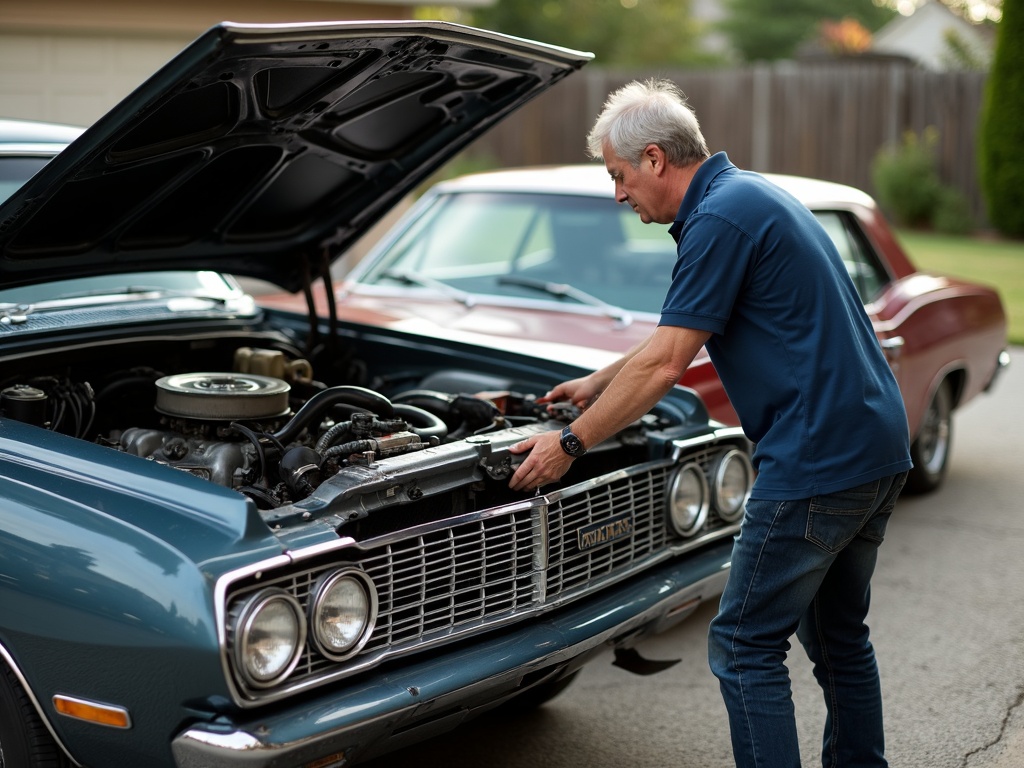
Older cars can still run really well—even after 10 or 15 years—if they’re looked after properly. Some people think once a car hits a certain age, it’s just going to fall apart. But that’s not true at all. With the right care, regular maintenance, and good-quality parts, older cars can stay on the road for a long time.
Some drivers even prefer older models because they know the car inside and out. It’s just about knowing how to take care of it. That means paying attention to how it runs, replacing worn-out parts, and not ignoring small issues that can turn into big ones.
Why Replacing Parts Matters So Much
Every car has parts that wear out over time. Things like brake pads, batteries, spark plugs, filters, and belts don’t last forever. Even if the engine is still strong, small parts can cause problems if they’re not replaced when needed.
That’s why finding good replacement parts is such a big deal—especially for older cars that aren’t made anymore or are harder to find parts for. A lot of people use second-hand parts from wreckers to fix these problems without spending too much.
Trusted places such as Tony’s Auto Wreckers offer used parts that still have a lot of life left in them. Instead of buying new, which can be expensive, using parts from wreckers means the car gets what it needs while keeping the cost down. It’s a smart way to keep an older car running well without overpaying.
Regular Maintenance Makes a Big Difference
Older cars usually need a bit more attention, but it’s nothing extreme. Simple things—like checking the oil, keeping the tyres pumped, and replacing filters—can really help the car last longer.
Oil is one of the most important things to keep an eye on. When oil gets old or runs low, the engine doesn’t run smoothly. That can lead to overheating or engine damage, which no one wants to deal with.
Tyres are another thing people forget about. If they’re bald or under-inflated, the car won’t grip the road properly. That’s not just bad for performance—it’s dangerous too. Making sure they’re rotated and balanced keeps the ride smooth and safe.
Listen to What the Car Is Telling You
Older cars usually give signs when something isn’t right. Maybe it starts making strange noises, doesn’t brake as quickly, or feels rough while driving. It’s easy to ignore little changes, but those are clues that something might need attention.
Catching problems early can stop them from turning into bigger, more expensive issues. A weird noise today might be a worn-out belt that’s cheap to fix. But leave it for months, and it could cause damage to the engine.
Keeping up with how the car sounds and feels is one of the best ways to catch things early. Some people even keep a little notebook in their glovebox to track when something feels different.
Don’t Skip on Fluids and Filters
Older engines need clean fluids to stay healthy. Coolant, brake fluid, transmission fluid, and power steering fluid all help different parts of the car work properly. If they get dirty or run low, problems start building up.
Filters matter too. The air filter keeps the engine clean. The fuel filter stops dirt from getting into the fuel system. And the cabin filter helps the air inside the car stay clean. Replacing these doesn’t take long and isn’t expensive, but it makes a big difference.
Dirty filters make the car work harder, which means more wear and tear. Keeping them clean helps everything run more smoothly.
Using the Right Parts for the Right Job
Not every car part is the same. Even if two parts look similar, one might be the wrong fit or made from lower-quality materials. That’s why it’s important to use the right part for the exact make and model of the car.
Wreckers can be super helpful for this because they often stock original parts from the same car brand. That means better fit, better performance, and fewer surprises.
Using proper parts also means the car will pass inspections more easily and stay safe on the road. It’s not about upgrades or fancy features—it’s about making sure the basics are done right.
Keeping the Body and Interior in Shape Too
Looking after an older car isn’t just about the engine. The outside matters too. Washing it regularly, waxing it once in a while, and fixing scratches can help stop rust from forming. And rust is something that spreads fast if left alone.
The inside counts as well. Cleaning the seats, vacuuming the floor, and making small fixes—like replacing worn knobs or fixing loose handles—keeps the car feeling good to drive. Plus, it helps hold its value better if it’s ever sold later on.
Older Doesn’t Mean Worse
Some people see older cars as a problem, but that’s not fair. Many older models were built tough and can still perform really well if they’re treated right. They might not have the newest technology, but they can still be reliable, safe, and smooth to drive.
In fact, keeping an older car in good shape is better for the environment than buying a new one. Manufacturing a new car uses way more energy and materials. So keeping a good car on the road longer helps reduce waste too.
What to Remember
To keep an older car running like new, it really comes down to three things: pay attention to how it feels, keep up with maintenance, and use the right parts when something needs fixing.
It doesn’t have to cost a fortune or take tons of time. Just staying on top of the basics makes a huge difference. And when parts are needed, going through wreckers is often the best move—not just for saving money, but for finding exactly what the car needs.
Older cars can still be strong, safe, and fun to drive. With the right care, they’ve got plenty of years left in them.