Creating a home office that is both functional and stylish is essential for anyone embracing remote work. A well-designed home office enhances productivity and supports a healthy work-life balance. By considering layout, lighting, and personal style, it’s possible to create an environment that inspires focus and creativity.
The key to a successful home office lies in its ability to cater to both professional needs and personal aesthetics. Choosing the right desk, chair, and organizational tools can significantly impact efficiency. Integrating elements that reflect personal taste ensures the space feels inviting, making it easier to transition between work and relaxation.
Incorporating smart storage solutions and ergonomic furniture can maximize space, leading to a more organized and comfortable setting. By prioritizing both style and utility, individuals can craft a home office that not only looks good but also enhances their daily work experience.
Planning Your Home Office Space
Creating an effective home office requires careful planning around location, technology, and space management. Understanding these components can lead to a workspace that enhances productivity while remaining stylish.
Selecting the Right Location
Choosing the right location for a home office is critical. He or she should look for a quiet area, away from distractions, to ensure focus. A dedicated workspace ensures that work and home life remain separate.
Natural light is another factor to consider; positioning the office near windows can boost mood and energy. He or she can use room corners or unused spaces to create an efficient workspace. Additionally, proximity to necessary resources like printers or supplies (e.g. an erasable pen, whiteboard, sticky notes, etc.) can reduce disruptions.
Determining Your Technology Needs
Assessing your technology needs is a crucial step in creating a functional and reliable home office. Start with ensuring stable internet connectivity-this may involve using a dedicated router or wired connection to support uninterrupted access.
Additionally, choose a computer setup that matches the demands of your work, and consider additional equipment such as printers, scanners, and ergonomic peripherals for enhanced comfort and efficiency.
Likewise, to stay productive during unexpected disruptions, invest in a backup generator to keep essential devices running during power outages, minimizing downtime and maintaining your workflow.
As your workspace becomes more tech-heavy, it’s also worth considering the safety and capacity of your home’s electrical setup. Exploring Electrician services Texas City (or another local area) can help ensure your system is up to code, capable of handling your needs, and ready to support any upgrades without risk or hassle.
It’s equally important to have a trusted backup generator repair company on call. Routine maintenance and timely repairs from professionals help prevent unexpected failures and give you the peace of mind that your office won’t be left in the dark.
Maximizing Functional Space
Maximizing space in a home office can significantly impact productivity. Smart storage solutions, such as vertical shelving or drawer units, can help organize office supplies while saving floor space.
Multi-functional furniture can also be advantageous. For example, a desk with built-in storage can reduce clutter while providing ample workspace.
He or she should arrange furniture to facilitate movement and easy access to equipment. Thoughtful layout choices can create a more enjoyable and practical workspace.
Furnishing for Efficiency and Comfort
Creating a workspace that balances efficiency with comfort involves careful selection of furniture and storage solutions. Key choices include ergonomic furniture to support health and strategic storage to optimize functionality.
Choosing Ergonomic Furniture
Selecting ergonomic furniture is essential for maintaining good posture and reducing strain. The best ergonomic chair provides lumbar support and encourages a healthy sitting position during long work hours.
Adjustable desks allow users to alternate between sitting and standing, promoting movement throughout the day. This flexibility can help reduce fatigue and boost productivity.
Other considerations include the height and size of the desk. A well-designed workspace should accommodate various tasks, ensuring that everything is at the right level for the individual user. Investing in quality ergonomic designs enhances both comfort and effectiveness in the home office.
Strategic Storage Solutions
Effective storage systems play a vital role in maintaining an organized office. Assessing the space requirements will help determine the best storage solutions to manage documents, supplies, and equipment.
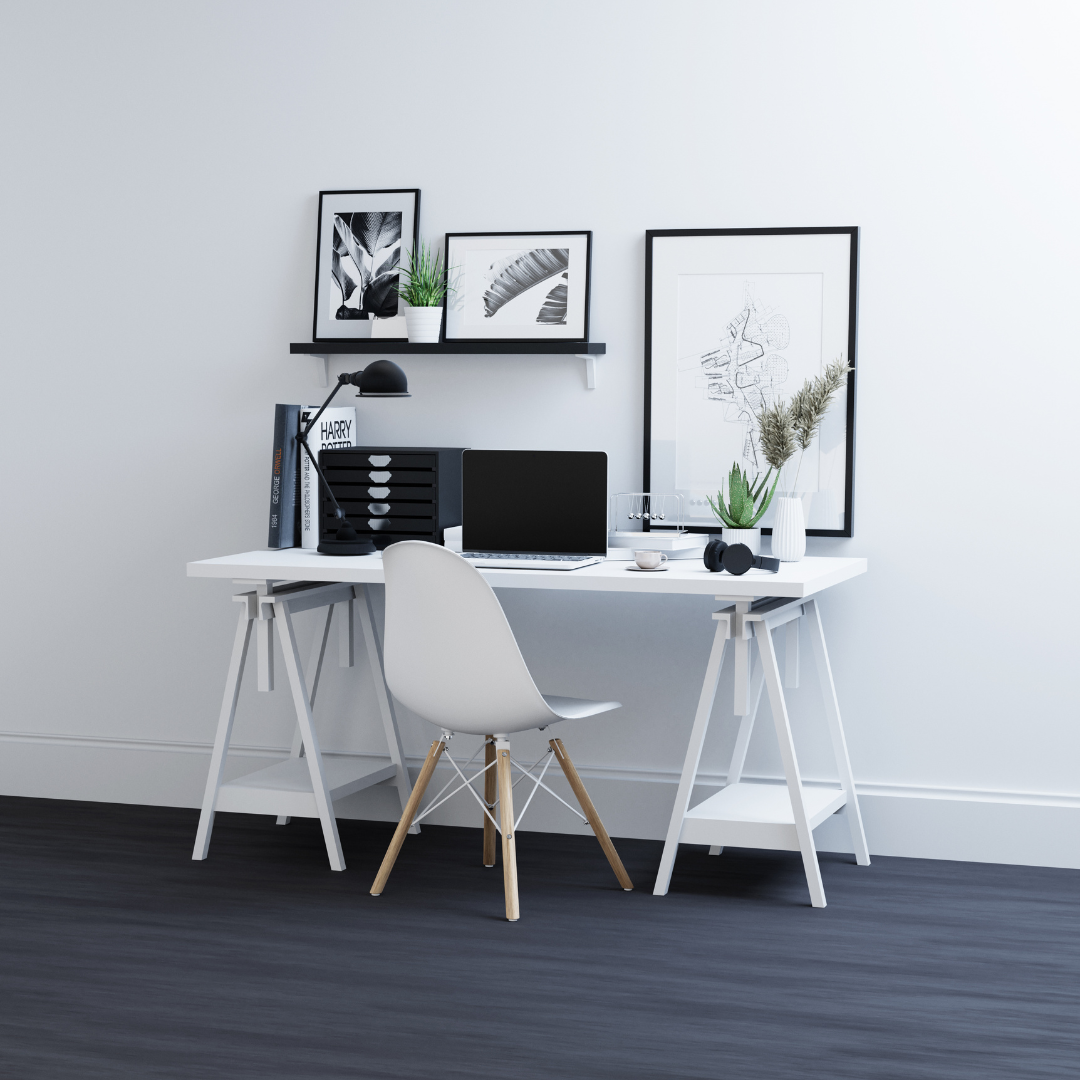
Incorporating shelves, cabinets, and filing systems can keep essential items accessible while minimizing clutter. Use decorative boxes or baskets to maintain aesthetics while being functional.
Wall-mounted shelves maximize vertical space, ensuring items are within easy reach but off the desk. Regularly evaluate the organization’s strategies employed to adapt to changing needs, paving the way for ongoing efficiency and comfort in the workspace.
Designing to Enhance Productivity
Creating a productive home office requires attention to specific elements that significantly influence focus and efficiency. Lighting and personalization are key factors that can transform the workspace into a motivating environment.
Optimizing Lighting
Good lighting is crucial for productivity. A blend of natural light and artificial sources can dramatically impact mood and concentration.
- Natural Light: Positioning the desk near a window allows natural light to boost energy. This can enhance alertness and reduce eye strain.
- Task Lighting: Specific areas, like the desk or reading nook, benefit from task lighting. Desk lamps with adjustable brightness are ideal for direct activities such as writing or reviewing documents.
- Ambient Lighting: This creates a comfortable overall atmosphere. Soft, warm lighting can reduce harsh glare and promote a calm work environment.
Using a combination of these lighting types fosters a balanced and effective workspace.
Personalizing Your Workspace
Personal touches in the home office can significantly elevate motivation and creativity. Customizing the space contributes to a sense of ownership and inspiration.
- Color Scheme: Choosing colors that resonate personally can impact productivity. For example, blues and greens promote calmness, while yellows can stimulate creativity.
- Decorative Elements: Incorporating artwork or decor that reflects individual style can enhance enjoyment in the workspace.
Adding plants or personal photographs can also create a more inviting atmosphere. Each element should resonate with the user, making the space a true reflection of their personal style.
Implementing Sustainable and Healthy Practices
Creating a home office that prioritizes sustainability can enhance both functionality and style. Using sustainable materials such as bamboo, reclaimed wood, or recycled metal contributes to eco-friendly design.
Incorporating natural materials not only adds aesthetic value but also improves indoor air quality. Furniture and decor made from organic fabrics or sustainably sourced products can enhance comfort.
Indoor plants are essential for a healthy workspace. They improve air quality and create a calming atmosphere. Consider including easy-care plants like snake plants or pothos.
For those adapting to hybrid workspaces, flexibility is key. Design areas that can easily transition between professional and personal use. Modular furniture can adjust to changing needs.
Working from home also requires attention to ergonomics. Invest in an ergonomic desk and chair to promote better posture and reduce discomfort. A well-designed setup can foster productivity while maintaining health.
Light is another critical factor. Utilize natural light where possible, as it boosts mood and energy. Consider window treatments that allow light while reducing glare on screens.
Lastly, implement energy-efficient solutions. Use LED bulbs and smart power strips to minimize energy consumption. These choices contribute to a more sustainable and health-conscious working environment.