
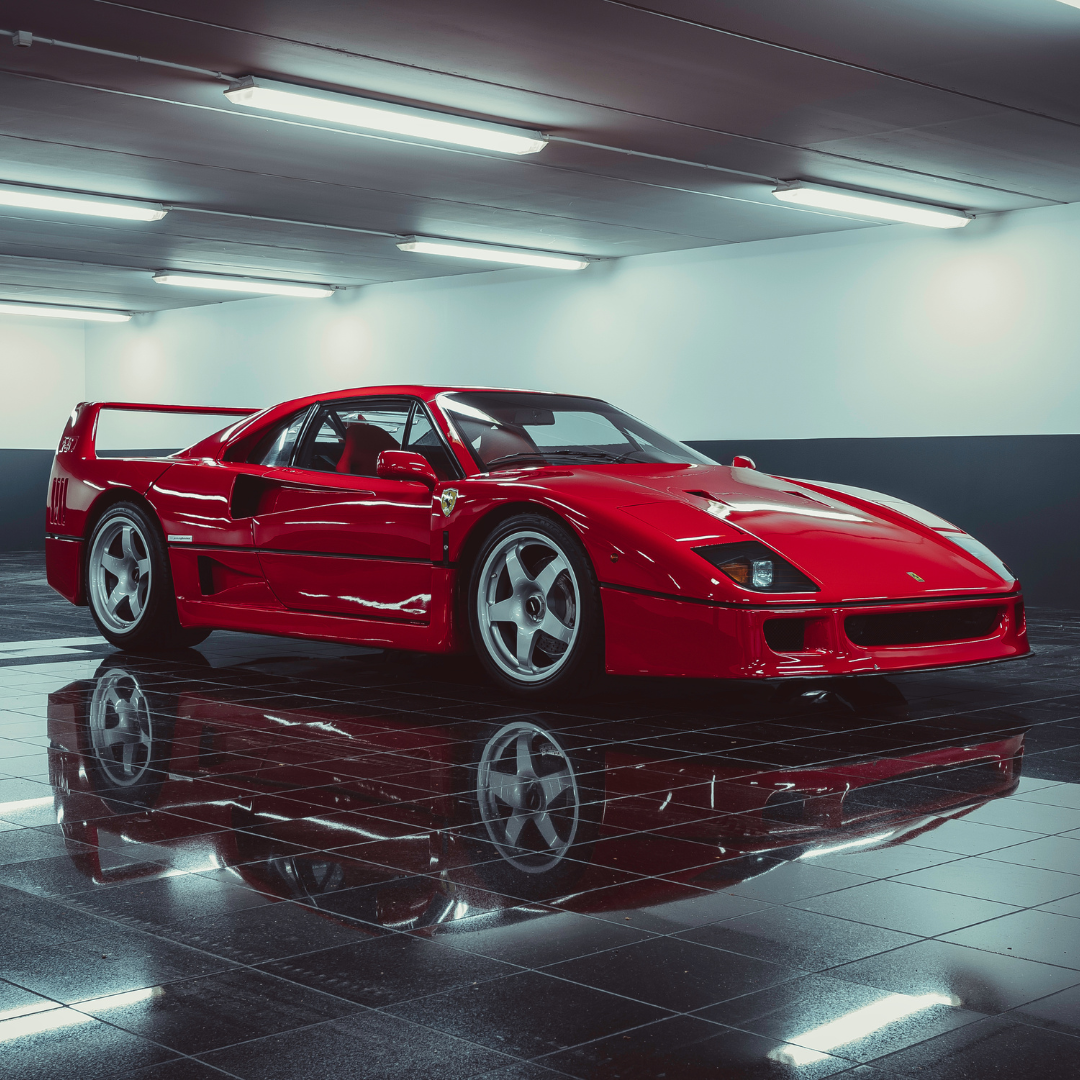
Luxury cars often represent the pinnacle of automotive excellence, showcasing a blend of performance, design, and comfort. The top luxury car brands, such as Rolls-Royce, Bentley, and Mercedes-Benz, set the standard for quality and innovation in the automotive industry. For enthusiasts and buyers alike, understanding what distinguishes these brands can guide important purchasing decisions and enhance appreciation for engineering craftsmanship.
The allure of these brands extends beyond their high price tags; they embody status, sophistication, and technological advancement. Each brand offers a unique portfolio, catering to diverse tastes and preferences while maintaining an unwavering commitment to quality. Exploring these manufacturers reveals what makes them coveted in luxury circles.
A closer look at these esteemed brands unveils not just their impressive vehicles, but also the legacies and philosophies that drive them. By examining their histories and flagship models, readers can gain insight into the world of luxury automobiles.
History of Luxury Automobiles
The history of luxury automobiles dates back to the early 20th century. Prominent brands such as Rolls-Royce and Mercedes-Benz emerged during this time, setting high standards for craftsmanship and performance.
Luxury vehicles were initially designed for the wealthy elite. They featured advanced engineering, superior materials, and bespoke customization options. This focus on quality and exclusivity defined the luxury automobile market.
In the 1950s and 1960s, brands like Jaguar and Porsche entered the scene. They introduced sporty designs and powerful engines, appealing to a dynamic consumer base.
The oil crisis of the 1970s shifted preferences toward more fuel-efficient models. Luxury brands adapted by incorporating innovative technologies while maintaining their identity.
The late 20th century saw an increase in Asian brands, such as Lexus and ** Infiniti**. They redefined luxury with a focus on reliability and customer service.
Today, luxury automobiles emphasize a blend of technology, sustainability, and performance. Electric vehicles are becoming a significant part of luxury brands, highlighting their evolution.
Some of the top luxury car brands include:
- Rolls-Royce
- Bentley
- Aston Martin
- Ferrari
- Lamborghini
Luxury automobiles continue to symbolize status and sophistication in modern society. Their history reflects changing tastes and technological advancements in the automobile industry.
Defining Luxury in Automobiles
Luxury in automobiles encompasses a blend of performance, aesthetics, comfort, and innovative technology. Each element contributes to the overall experience, enhancing the appeal of luxury vehicles.
Performance Metrics
Luxury cars are often defined by superior performance metrics. These vehicles typically feature powerful engines that deliver exceptional speed and acceleration. Brands invest heavily in advanced engineering to provide a smooth driving experience under various conditions.
Key performance aspects include:
- Horsepower and Torque: High levels of horsepower paired with substantial torque ensure quick acceleration.
- Handling and Suspension: Sophisticated suspension systems enhance stability and control during cornering.
- Braking Performance: Advanced braking technologies, like carbon-ceramic brakes, ensure safety and responsiveness.
These elements combine to create an exhilarating driving experience that distinguishes luxury vehicles from standard models.
Design and Aesthetics
A hallmark of luxury automobiles is their exquisite design and aesthetics. Brands focus on crafting visually striking vehicles that exude sophistication and elegance.
Design features often include:
- Exterior Styling: Sleek lines and distinctive profiles attract attention and signify prestige.
- Materials: High-quality materials, such as real leather and exotic woods, elevate the interior feel.
- Customization Options: Many luxury brands offer bespoke options for a personalized touch.
Attention to detail in both exterior and interior design showcases the brand’s commitment to luxury.
Comfort and Amenities
Comfort is paramount in luxury automobiles, with features designed to provide a relaxing driving experience. These vehicles prioritize occupant comfort through thoughtful design and advanced amenities.
Notable comfort features include:
- Seating: Plush, ergonomic seating with heating, cooling, and massage functions enhances travel comfort.
- Climate Control: Multi-zone climate control systems allow personalized comfort for all passengers.
- Sound Systems: Premium audio systems, often engineered in partnership with luxury audio brands, deliver an immersive listening experience.
These amenities contribute to a serene environment, setting luxury cars apart in the automotive market.
Technological Innovation
Technological advancements play a crucial role in defining luxury in automobiles. These vehicles often incorporate state-of-the-art technology that enhances both performance and user experience.
Key innovations include:
- Infotainment Systems: High-definition screens and intuitive interfaces provide seamless connectivity and entertainment options.
- Driver Assistance Features: Advanced safety systems, such as adaptive cruise control and lane-keeping assist, enhance driving safety and convenience.
- Electric and Hybrid Options: Many luxury brands are leading the way in electric and hybrid technologies, offering sustainable yet high-performance vehicles.
These innovations reflect the evolving nature of luxury, merging technology with tradition.
Top Luxury Car Brands Overview
Luxury car brands represent the pinnacle of automotive engineering, combining performance, craftsmanship, and exclusivity. The following sections explore the defining features and standout models of these prestigious manufacturers.
Rolls-Royce
Rolls-Royce is synonymous with unparalleled luxury and craftsmanship. Founded in 1904, this British manufacturer is known for its iconic models like the Phantom and the Ghost.
The brand emphasizes bespoke options, allowing customers to customize their vehicles to extraordinary levels. Features such as a handcrafted interior and the signature “Spirit of Ecstasy” hood ornament signify elegance.
Rolls-Royce vehicles often feature powerful V12 engines, ensuring a smooth and powerful ride. The brand’s commitment to quality and attention to detail set it apart in the luxury market.
Bentley
Bentley, established in 1919, offers a blend of luxury, performance, and tradition. Known for models such as the Continental GT and the Bentayga, Bentley emphasizes both craftsmanship and technology.
The interiors boast premium leather and wood veneers, meticulously crafted by skilled artisans. Their vehicles often feature powerful W12 engines, showcasing performance without compromising comfort.
Bentley also embraces modern technology while maintaining a classic aesthetic, appealing to a diverse range of luxury car enthusiasts. This balance solidifies Bentley’s reputation as a leader in the luxury segment.
Ferrari
Ferrari represents the apex of high-performance luxury sports cars. Founded in 1939, the Italian automaker is known for models like the 488 and the iconic LaFerrari.
Ferrari’s commitment to performance is evident in its use of advanced materials, such as carbon fiber, and its powerful V8 and V12 engines. The company focuses on blending speed with exquisite design, evident in its aerodynamic shapes.
The brand’s racing heritage further enhances its allure, with many models inspired by success on the track. Ferrari’s exclusivity and performance-focused engineering make it a top choice for luxury sports car aficionados.
Lamborghini
Lamborghini is famous for its bold designs and exhilarating performance. Established in 1963, it produces striking models like the Aventador and Huracán, characterized by aggressive styling and powerful engines.
The brand uses a lightweight construction and offers a robust V10 and V12 lineup, resulting in thrilling acceleration. Lamborghini also incorporates advanced technology to enhance driving dynamics and driver engagement.
Distinctive features, such as the scissor doors and sharp angles in design, contribute to Lamborghini’s iconic status. This blend of performance and striking aesthetics captivates luxury car enthusiasts worldwide.
Porsche
Porsche is renowned for its exceptional engineering and dynamic handling. Founded in 1931, the brand’s flagship model, the 911, combines timeless design with cutting-edge technology.
Porsche vehicles are designed for performance, often featuring turbocharged flat-six engines and precise handling characteristics. The Cayenne and Macan demonstrate the brand’s versatility, offering luxury SUVs without sacrificing performance.
Porsche also emphasizes customization through its Exclusive Manufaktur program, allowing clients to tailor their vehicles. This commitment to performance and personalization solidifies Porsche’s position in the luxury market.
Maserati
Maserati, established in 1914, exudes Italian elegance and sporty performance. Its models, such as the Ghibli and Levante, are recognized for their distinctive design and thrilling drives.
The brand has a rich racing heritage, and its vehicles typically feature robust V6 and V8 engines, delivering exhilarating performance. Interior craftsmanship includes premium materials and advanced technology, creating a luxurious driving experience.
Maserati also embraces exclusivity through limited production, appealing to luxury car buyers who value uniqueness. Its blend of style, performance, and heritage distinguishes Maserati in the competitive luxury market.
Aston Martin
Aston Martin combines British craftsmanship with exceptional performance. Founded in 1913, it is famous for models like the DB11 and Vantage, which reflect a blend of elegance and power.
The brand’s vehicles often feature powerful V8 and V12 engines, ensuring thrilling performance on the road. Luxurious interiors, crafted from fine materials, provide an upscale driving environment.
Aston Martin’s connection to James Bond has bolstered its status, creating a strong cultural identity. The brand’s commitment to performance and sophisticated design keeps it relevant in the luxury segment.
BMW
BMW is known for its sporty luxury vehicles that emphasize driving pleasure. Founded in 1916, the brand produces models like the 7 Series and the X7, combining performance with advanced technology.
BMW’s engineering includes powerful inline engines and precision handling systems, enhancing the driving experience. The brand also focuses on luxury features, offering high-quality interiors and modern infotainment systems.
Innovations such as the I Series show BMW’s commitment to sustainability alongside performance. By balancing luxury with sportiness, BMW remains a top choice among discerning buyers.
Mercedes-Benz
Mercedes-Benz stands at the forefront of luxury automotive innovation. Established in 1926, it offers models like the S-Class and GLE, representing a blend of luxury, technology, and performance.
The brand is renowned for its advanced safety features and cutting-edge technology, such as the MBUX infotainment system. Mercedes-Benz vehicles typically feature V6, V8, and even hybrid powertrains, catering to a wide range of customer preferences.
With a reputation for quality and innovation, Mercedes-Benz continues to set trends in the luxury segment. Its diverse lineup appeals to buyers seeking both comfort and performance in their vehicles.
Audi
Audi is recognized for its blend of sporty performance and luxury. Founded in 1909, the brand produces vehicles like the A8 and Q8, known for their elegant design and advanced technology.
With its Quattro all-wheel-drive system, Audi emphasizes performance in diverse driving conditions. The interiors are crafted with high-quality materials, and the brand’s focus on sleek design adds to its appeal.
Audi also excels in its exterior designs, owing to its aerodynamically efficient body, signature front Singleframe grille, and dynamic LED headlamps.
Audi owners can personalise their car based on their aesthetic or performance-based needs. For example, one can add custom seats or mood lighting for the best interior experience. Meanwhile, to enhance the car’s exterior, users can consider custom audi bumpers or side skirts to improve both the aesthetics and aerodynamics of the luxury vehicle.
Audi also integrates advanced driver-assistance systems, enhancing safety and convenience. This combination of luxury, technology, and performance positions Audi as a strong competitor in the luxury car market.
Market Trends in Luxury Vehicles
The luxury vehicle market is experiencing significant shifts driven by consumer preferences and technological advancements. Key trends include the rise of electric and hybrid models and a growing demand for SUVs and crossovers.
Electric and Hybrid Models
Luxury car brands are increasingly focusing on electric and hybrid models. Brands such as Tesla, Porsche, and BMW are leading this shift, offering vehicles that combine luxury with sustainability.
Key Features:
- Performance: Electric luxury cars deliver high torque and instant acceleration.
- Sustainability: Hybrid and electric options cater to environmentally conscious consumers.
- Technology: Advanced features such as autonomous driving capabilities and high-tech infotainment systems are often standard.
These innovations aim to attract a new generation of buyers interested in both luxury and eco-friendliness, impacting brand strategy and production.
SUV and Crossover Popularity
The popularity of SUVs and crossovers continues to rise among luxury consumers. Brands like Mercedes-Benz, Audi, and Range Rover have expanded their lineups with these vehicle types, capitalizing on their appeal.
Key Factors:
- Versatility: SUVs offer more space and comfort for families or larger groups.
- Luxury Features: Many luxury SUVs come equipped with high-end materials and the latest technology.
- Market Demand: Changing consumer preferences signal a stronger focus on these models in future product lines.
This trend reflects a significant shift away from traditional sedans, reshaping the luxury vehicle market landscape.
Ownership Experience
Owning a luxury car entails a unique experience that combines exceptional service, performance, and prestige. Luxury brands prioritize customer satisfaction, ensuring that owners receive personalized attention.
Key Aspects of Ownership Experience:
- Customer Service: Owners often have access to dedicated service advisors. This personalized attention enhances the relationship between the brand and the owner.
- Maintenance and Care: Many luxury brands offer maintenance packages. This can include complementary services or specialized care programs, ensuring the vehicle remains in pristine condition.
- Exclusive Events: Owners may receive invitations to brand-sponsored events. These can range from driving experiences to luxury lifestyle events, fostering a sense of community among owners.
- Technology and Features: Luxury cars often come equipped with advanced technology. This enhances the driving experience, providing convenience and entertainment tailored to the owner’s preferences.
- Resale Value: Luxury vehicles tend to hold their value well. This is an important consideration for owners when it comes time to sell or trade in their vehicles.
In conclusion, the ownership experience of luxury car brands is designed to offer more than just transportation. It emphasizes a lifestyle that includes top-tier service, exclusive opportunities, and an emphasis on quality.
Purchasing a Luxury Vehicle
Acquiring a luxury vehicle involves multiple considerations, including ongoing costs, insurance requirements, and depreciation. Each aspect plays a crucial role in the overall ownership experience.
Buyers in Western Australia who are comparing ways to fund a luxury vehicle can consider the loan structure alongside the purchase price, ongoing costs, and insurance. Those who want to discuss available car-finance options for their circumstances can Contact Loans Unlimited before committing to a vehicle. Eligibility, rates, fees, and approval will depend on the lender and applicant.
Cost of Ownership
Luxury vehicles often come with a higher cost of ownership compared to standard models. This includes not just the purchase price but also factors like maintenance, fuel, and service.
- Maintenance: Luxury cars typically require specialized service, which can be more expensive. Routine maintenance appointments can add up.
- Fuel Efficiency: Many luxury vehicles are powerful and may consume more fuel. Owners should consider MPG ratings.
- Financing: Luxury vehicles often carry higher loan amounts. Financing options can impact monthly payments and total interest paid over time.
Insurance Considerations
Insurance for luxury vehicles is generally more expensive due to their higher value and repair costs. Obtaining the right coverage is vital.
- Premiums: Luxury cars typically attract higher insurance premiums. This reflects the replacement cost and the likelihood of theft.
- Coverage Types: Consider comprehensive and collision coverage. These are essential for protecting against unforeseen incidents.
- Discounts: Some insurers offer discounts for safety features commonly found in luxury vehicles. Researching different providers could lead to savings.
Depreciation Factors
Luxury vehicles tend to depreciate faster than standard cars, affecting long-term investment value. Understanding how depreciation works is essential.
- Initial Depreciation: Luxury cars often see a sharp decline in value within the first few years. This can impact resale value significantly.
- Brand Reputation: Certain brands retain value better than others. It’s beneficial to research models known for longevity in resale.
- Market Trends: Economic factors can influence depreciation rates. Limited-edition models may hold their value better compared to mass-produced vehicles.
By considering these elements, potential luxury car buyers can make informed decisions that align with their financial goals.
Maintenance and Servicing
Luxury car brands often offer tailored maintenance services to enhance the ownership experience. These services ensure that vehicles operate optimally and maintain their value.
Typical Maintenance Aspects
- Regular Inspections: Routine checks on the engine, brakes, and tires are essential.
- Oil Changes: High-performance vehicles require specific oil types, often changed every 5,000 to 10,000 miles.
- Fluid Levels: Regular topping up of brake, coolant, and transmission fluids is crucial.
Costs of Servicing
Maintenance costs for luxury cars can vary widely. Owners can expect:
| Maintenance Type | Estimated Cost |
| Oil Change | $150 – $300 |
| Brake Replacement | $300 – $1,500 |
| Tire Replacement | $500 – $2,500 |
Warranty and Service Packages
Many luxury brands provide comprehensive warranty and service plans. These may cover:
- Scheduled maintenance.
- Mechanical breakdowns.
- Cosmetic repairs.
These packages often enhance peace of mind regarding long-term ownership. Owners should review their vehicle’s warranty for specific coverage terms.
Professional Technicians
Luxury car servicing typically requires specialized training. Technicians are familiar with advanced technology and unique parts, ensuring high-quality care.
Routine maintenance and servicing are vital for preserving the performance and aesthetics of luxury vehicles.
Customization and Personalization
Luxury car brands often offer extensive customization options, allowing buyers to create a vehicle that reflects their preferences and lifestyles. Tailored features and aftermarket modifications enhance both aesthetic appeal and driving experience.
Bespoke Features
Many luxury car manufacturers offer bespoke services that allow clients to personalize nearly every detail of their vehicle. This can include choices for custom interior materials and unique finishes. For those looking for something truly unique, there’s even the option to alter the car’s original color, opting for a shade or design that matches their personal vision. Techniques like hot or cold stripping are sometimes used in this process, ensuring that the vehicle perfectly aligns with the client’s desires.
Customers can also select specific types of leather, wood veneers, and stitching patterns to create an interior that perfectly matches their vision. Additionally, high-end sound systems, custom lighting, and advanced technology integrations can be included to enhance functionality and luxury. Brands like Rolls-Royce and Bentley excel in this area, offering an almost limitless array of choices.
Aftermarket Modifications
Aftermarket modifications allow owners to further personalize their vehicles beyond the manufacturer’s offerings. This includes performance enhancements such as upgraded suspensions, custom exhaust systems, and advanced tuning options. These modifications can significantly enhance driving dynamics and overall performance.
Aesthetic upgrades can also be popular, including custom wheels, body kits, and specialized paint jobs. Many luxury car enthusiasts turn to reputable aftermarket specialists to ensure quality craftsmanship and compatibility with their vehicles, often resulting in a distinct look that sets their car apart from standard models.
Safety Standards in Luxury Cars
Luxury car brands prioritize safety by adhering to strict standards set by organizations like the National Highway Traffic Safety Administration (NHTSA) and the Insurance Institute for Highway Safety (IIHS).
These vehicles often include cutting-edge safety features that enhance protection. Common elements include:
- Adaptive Cruise Control
- Lane Departure Warning
- Automatic Emergency Braking
- Blind Spot Monitoring
Luxury manufacturers typically implement rigorous crash testing protocols. They aim to achieve high ratings in collision safety assessments, often receiving five-star ratings from NHTSA.
Technology plays a significant role in modern luxury car safety. Advanced Driver Assistance Systems (ADAS) help prevent accidents before they occur.
In addition to active safety features, luxury cars often come with a robust suite of passive safety measures. These measures include reinforced structures, multiple airbags, and crumple zones designed to absorb impact energy.
Many luxury brands also offer advanced materials that improve both safety and weight efficiency. Materials such as high-strength steel and carbon fiber contribute to better crash performance.
Regular updates and recalls ensure that luxury car safety standards remain high. Manufacturers often provide software updates to improve system functionality and address any safety concerns.
Luxury cars not only provide comfort and performance but also a commitment to safety, ensuring that they meet or exceed current safety regulations.
Future of Luxury Car Brands
Luxury car brands are increasingly focusing on sustainability and technological advancements. The shift towards electric vehicles (EVs) is becoming a prominent trend.
Many brands are investing heavily in electric models. This includes companies like:
- Tesla
- Mercedes-Benz
- Porsche
These brands are not only expanding their EV offerings but also enhancing performance and luxury features.
Autonomous driving technology is another key area of development. Luxury car manufacturers aim to integrate advanced driver-assistance systems that elevate the driving experience.
Customization options are expanding as well. Customers are seeking personalized features, from interior materials to technology integration.
The use of artificial intelligence in vehicle design and features is also expected to grow. It helps in creating more intuitive user experiences and improving safety measures.
Connectivity will play a significant role in future luxury models. Cars will increasingly offer seamless integration with smart devices and services, enhancing convenience.
In addition, luxury brands are likely to develop subscription services. These services will allow customers to experience different models without long-term commitments.
As the market evolves, luxury car brands will continue to adapt to changing consumer preferences. Their ability to innovate will determine their success in the coming years.