
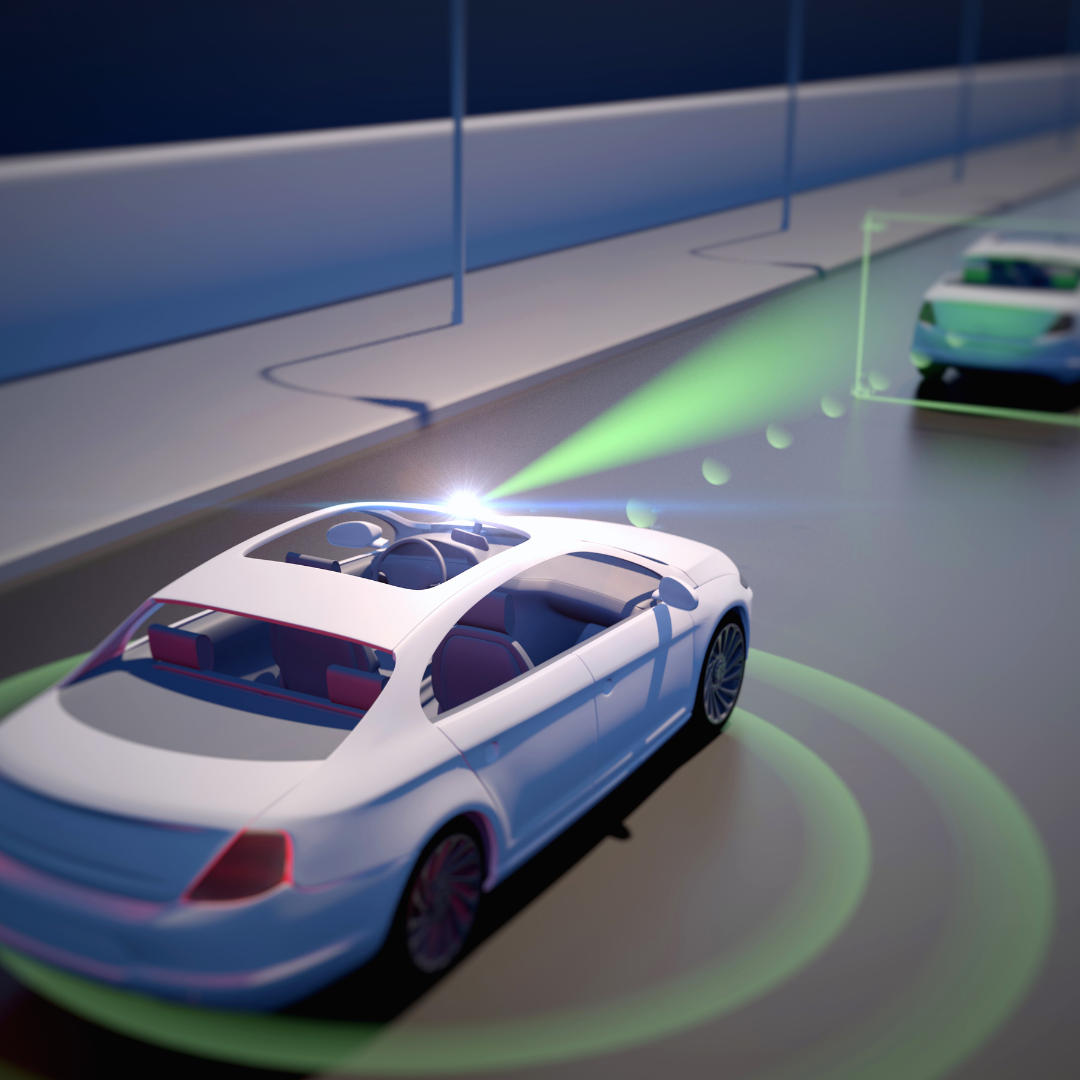
The rise of autonomous vehicles is reshaping the transportation landscape in unprecedented ways. These innovations promise to enhance safety, reduce traffic congestion, and provide greater accessibility for individuals who cannot drive. As self-driving technology advances, it becomes increasingly clear that the future of transport will be heavily influenced by AI-driven solutions, fundamentally changing how people and goods move.
Autonomous vehicles are not just a technological curiosity; they represent a paradigm shift in urban planning and mobility. The integration of these vehicles into everyday life could lead to a reduction in car ownership and a reimagined approach to public transport systems. As cities adapt to accommodate this shift, both infrastructure and regulations will evolve, ensuring that the benefits of this technology are realized.
The impact of autonomous vehicles extends beyond mere convenience. They have the potential to transform economies, create jobs in tech and engineering, and reduce environmental footprints through more efficient driving patterns. This transition offers a glimpse into a future where transportation is safer, more efficient, and more inclusive for everyone.
Evolution of Autonomous Vehicle Technology
The advancement of autonomous vehicle technology has impacted transportation significantly. Key aspects include the emergence of self-driving cars, the role of artificial intelligence, and continuous innovation driving these developments.
The Rise of Self-Driving Cars
The journey of self-driving cars began with early research in the late 20th century. Key milestones include the development of basic autopilot systems. Initially, these systems assisted drivers by maintaining speed and lane position.
As technology progressed, more sophisticated models began to emerge. Companies like Waymo and Tesla have led the charge, testing vehicles in various environments. Legislative changes and consumer interest have accelerated the adoption of these vehicles.
The current state of self-driving cars includes various levels of automation. Level 0 represents no automation, while Level 5 denotes fully autonomous vehicles. This spectrum allows for incremental advancements in the technology.
Artificial Intelligence in Transportation
Artificial intelligence (AI) plays a crucial role in the operation of autonomous vehicles. AI systems process vast amounts of data from sensors to make real-time decisions. This includes interpreting road signs, detecting obstacles, and predicting pedestrian movements.
Machine learning algorithms are central to enhancing AI capabilities. They allow vehicles to learn from past experiences, improving accuracy over time. Neural networks help interpret complex visual inputs, enabling reliable navigation.
AI also optimizes vehicle performance by adjusting to traffic conditions, weather, and road types. Such advancements contribute to safer and more efficient transportation systems.
Innovation in Autonomous Vehicles
Innovation in autonomous vehicles encompasses hardware and software advancements. Significant improvements in sensor technology, such as LIDAR and cameras, have improved environmental perception. These technologies enable vehicles to navigate complex areas safely.
Furthermore, enhancements in connectivity allow vehicles to communicate with one another and infrastructure. This Vehicle-to-Everything (V2X) technology promotes safer traffic flow and reduced congestion.
Investments in battery technology have led to longer ranges and faster charging times for electric autonomous vehicles. Collaboration among automakers, tech companies, and governments drives the innovation necessary for the future of self-driving cars.
Impact on Transportation Systems
Autonomous vehicles are redefining transportation systems by altering car ownership trends, transforming the trucking industry, and prompting shifts in urban planning.
Changing Dynamics of Car Ownership
The rise of autonomous vehicles may lead to reduced car ownership rates. As self-driving technology advances, ride-sharing services could become more efficient and attractive. People may choose to rely on these services rather than owning a personal vehicle.
This trend can decrease the number of cars on the road. Fewer cars can lead to less congestion, lower emissions, and reduced need for parking spaces. Additionally, urban dwellers may find the flexibility of on-demand transportation appealing, further influencing car ownership decisions.
Autonomous Trucks and Trucking Industry
Autonomous trucks are poised to revolutionize the trucking industry. These vehicles can operate around the clock, increasing efficiency and reducing delivery times. The implementation of self-driving technology in long-haul trucking can help address the ongoing driver shortage.
Significant cost savings may arise from reduced labor-related expenses. With safety improvements, autonomous trucks could lower accident rates, benefiting both the industry and public safety. The integration of these vehicles requires re-evaluation of current logistics and regulatory frameworks.
Alongside regulatory and logistical shifts, fleets will also face practical maintenance and uptime challenges as heavy-duty vehicles adopt new sensors, automation hardware, and higher utilization rates. Ensuring minimal downtime means local service providers must offer advanced diagnostics, scheduled maintenance, and rapid roadside support tailored to diesel engines and heavy equipment. For fleet managers, partnering with a reliable specialist—such as a heavy duty truck repair company—can streamline repairs, maintain compliance, and keep vehicles moving. Investing in trained technicians and modern fleet-service practices will be critical to realizing the efficiency gains promised by autonomous trucking.
Heavy-duty trucks rely on specialized components to handle continuous operation under heavy loads. The transmission is one of the most important parts of these vehicles, as it manages power delivery and fuel economy. When these complex systems fail, standard mechanics lack the specific tools and training needed for a proper rebuild. Working with experts at allison transmission repair helps fleet operators avoid long delays and expensive replacements. These specialists have the diagnostic gear to find internal issues quickly and restore the gearbox to factory standards.
Urban Planning and Infrastructural Shifts
The proliferation of autonomous vehicles will require significant changes in urban planning and infrastructure. Cities may need to rethink road layouts, parking structures, and public transportation systems. More pedestrian-friendly spaces could emerge as the need for traditional parking diminishes.
Infrastructure investments may focus on smart technology to accommodate autonomous vehicles. This includes upgrading traffic management systems and improving connectivity for safer, more efficient transportation. As transportation systems evolve, urban planners face the challenge of aligning long-term goals with rapid technological advancements.
Safety, Efficiency, and Environmental Benefits
Autonomous vehicles (AVs) are set to transform transportation by enhancing safety, increasing efficiency, and reducing environmental impact. These vehicles are designed to minimize human errors, improve traffic flow, and lower emissions, positively affecting both urban ecosystems and individual commutes.
Reducing Human Error and Accidents
Human error is a leading cause of traffic accidents. AVs use advanced sensors, cameras, and algorithms to assess their environment and make real-time decisions.
Studies indicate that integrating autonomous technology could prevent up to 90% of crash-related fatalities. With the removal of human factors, like distraction and impaired driving, AVs promise a safer transportation landscape.
Key features contributing to safety include:
- Collision avoidance systems
- Real-time traffic monitoring
- Enhanced traffic signal interactions
Alleviating Traffic Congestion
Traffic congestion is a significant issue in urban areas. AVs can maintain optimal speeds and communicate with one another, leading to improved traffic flow. By reducing the stop-and-go conditions caused by human errors, AVs can cut travel times.
Traffic management systems become more efficient with AVs. They can gather and analyze data to optimize routes and traffic signals. Results may include:
- Decreased travel times
- Lower fuel consumption
- Improved commuter satisfaction
Lowering Emissions and Environmental Impact
Environmental pollution from vehicles contributes heavily to climate change. AVs can be designed to operate more efficiently, using electric or hybrid models that significantly lower greenhouse gas emissions.
By optimizing driving patterns through smart technologies, AVs can reduce energy consumption. Notably, the potential benefits include:
- Decreased CO2 emissions
- Enhanced energy efficiency
- Improved air quality
Transitioning to autonomous vehicles can play a crucial role in creating a more sustainable future, positively impacting public health and the ecosystem.
Challenges and Considerations for Widespread Adoption
The widespread adoption of autonomous vehicles presents significant challenges that need careful consideration. Key issues include legal and ethical frameworks, ensuring equitable access, and overcoming technological hurdles.
Addressing Legal and Ethical Concerns
One major challenge involves the legal framework regulating autonomous vehicles. Current laws often do not account for the unique situations presented by driverless cars. For instance, liability in the event of an accident raises questions about responsibility, should the manufacturer, software developer, or vehicle owner be held accountable? These issues become even more complex when incidents involve pedestrians, which may lead to pedestrian accident injury claims requiring clear guidelines on fault and legal responsibility. In such cases, experienced lawyers play a crucial role by helping victims understand their rights, determining who is legally responsible, gathering evidence, and navigating the evolving regulatory landscape surrounding autonomous vehicle accidents.
When people suffer severe injuries in these crashes, their immediate focus is on physical recovery. However, the financial burden of medical bills and lost wages often creates immediate stress. Victims may find themselves unable to return to work for a long time, which makes securing proper compensation and disability benefits necessary. Legal teams like The Insiders at The McMahan Law Firm help families manage these complex claims from the very beginning. They review the details of the accident to build a strong case for support. This help allows injured individuals to focus on healing while professionals handle the insurance companies.
Ethical concerns also emerge, particularly as these legal challenges intersect with how autonomous vehicles make decisions in real time. Once questions of liability are raised, it becomes equally important to examine the algorithms that determine a vehicle’s actions in critical situations. How an autonomous system balances passenger safety with the protection of pedestrians or other road users can create difficult moral dilemmas. These complexities underscore the need for clear regulatory and ethical frameworks to ensure that autonomous technology operates responsibly and consistently within established societal values.
Ensuring Equity and Accessibility
Ensuring that autonomous vehicles enhance equity is vital. There is a risk that only affluent individuals or communities could benefit from driverless technology. Companies like Waymo and Uber must strategize to offer services in underserved areas.
Moreover, accessibility for those with disabilities is critical. Autonomous vehicles should be designed to accommodate people with varying needs. This inclusivity fosters a shift towards more equitable transportation systems, benefiting all demographic groups.
Overcoming Technological Barriers
Technological challenges pose a significant obstacle to the rollout of autonomous vehicles. Reliable software and hardware are essential for safety and efficiency. High-precision mapping, for example, is crucial for navigating complex urban environments.
Additionally, the performance of autonomous vehicles must meet robust safety standards to gain public trust. Cybersecurity is also a growing concern as potential hacking risks could compromise these vehicles. Companies must invest in advanced technologies and rigorous testing processes to address these issues effectively.