
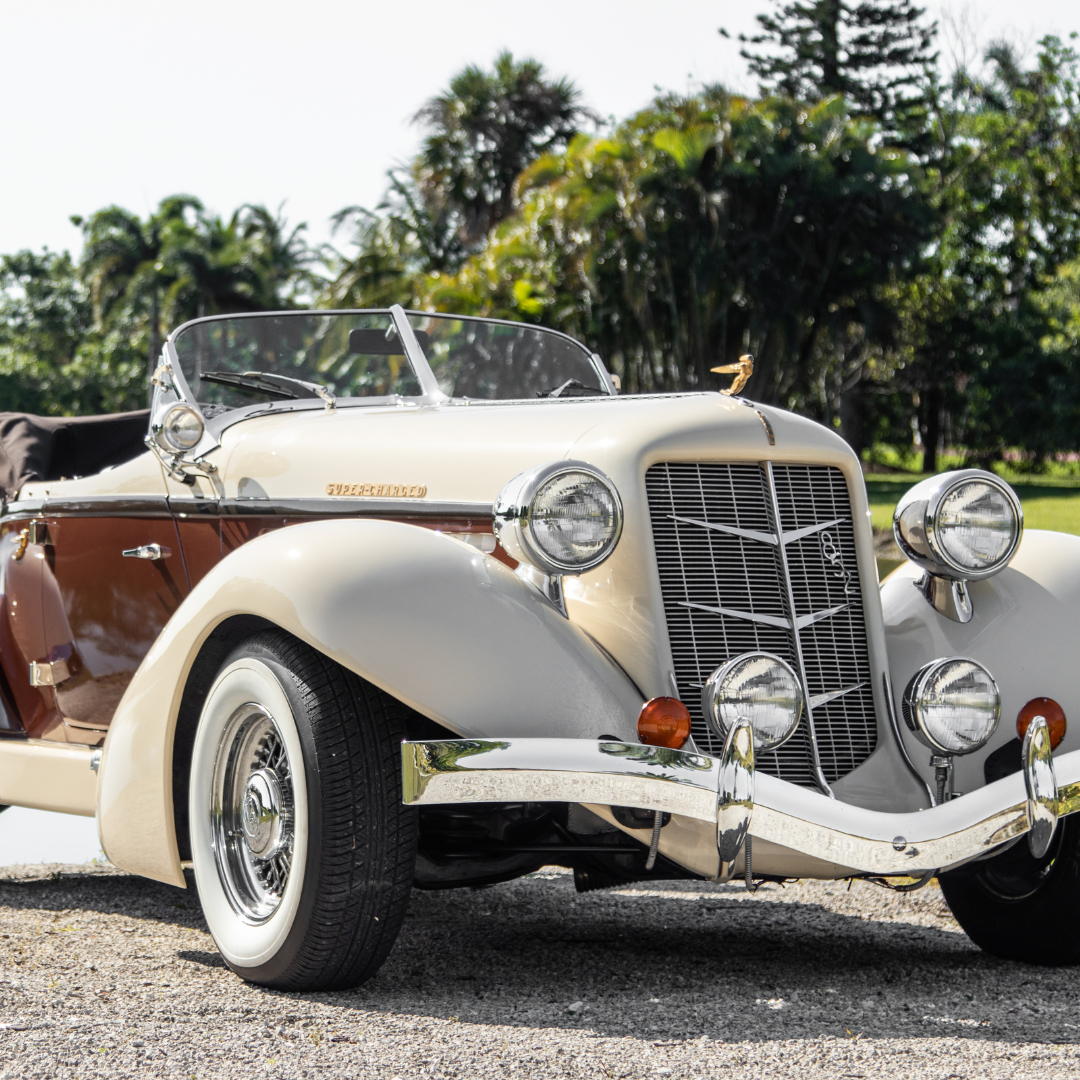
Throughout automotive history, certain cars have transcended their function as mere modes of transportation to become symbols of culture and innovation. The most iconic cars in history are those that not only changed the automotive landscape but also left a lasting impression on society, influencing design, performance, and even lifestyle. From the classic Ford Model T to the legendary Porsche 911, these vehicles represent pivotal moments in automotive advancement.
Readers will discover the stories behind these remarkable automobiles, examining how they captured the imagination of drivers and enthusiasts alike. Each car selected for this list reflects a unique blend of technology, style, and historical significance; together, they paint a vivid picture of automotive evolution.
As the journey through this iconic roster unfolds, it becomes clear that these cars are more than just machines. They embody dreams, aspirations, and an enduring legacy that continues to resonate with car lovers around the world.
Origins and Evolution of Iconic Cars
The automotive industry began with innovative ideas that transformed transportation. Key milestones highlight the development of vehicles that would become symbols of culture and performance.
The Birth of the Automotive Industry
The automotive industry originated in the late 19th century. Karl Benz introduced the first practical gasoline-powered car in 1885, the Benz Patent-Motorwagen. This invention marked the beginning of individual automobile ownership.
By the early 20th century, mass production techniques, popularized by Henry Ford’s Model T in 1908, made cars accessible to the average consumer. This resulted in a dramatic increase in car ownership and set the stage for future innovations.
The automotive sector expanded rapidly, with manufacturers exploring various designs and technologies. This era saw the emergence of iconic brands, such as Ford, Chevrolet, and Cadillac, shaping the landscape of automotive history.
Rise of the Muscle Car
The muscle car era emerged in the 1960s, characterized by high-performance vehicles with powerful engines aimed at a young, spirited audience. Cars like the Ford Mustang, Chevrolet Camaro, and Pontiac GTO became symbols of American automotive culture.
These vehicles typically featured V8 engines and aggressive styling, appealing to those who desired speed and power. The affordability of these cars made them popular among the youth, contributing to their significance in automotive history.
Muscle cars represented a blend of performance and style, leading to legendary status in various car enthusiast communities. Their influence continues to be felt today, as many manufacturers pay homage to this iconic era through modern reinterpretations.
Cultural Impact and Iconic Status
Cars have played a significant role in shaping cultural narratives and embodying the spirit of various generations. Their appearances in films and their status as symbols contribute to their iconic presence in society.
Cars in Cinema
Vehicles have a substantial impact in film, often becoming characters in their own right. The Aston Martin DB5, associated with James Bond, represents sophistication and style, appearing in multiple sequels since “Goldfinger” (1964). The Batmobile, with its ever-evolving designs, reflects the darker themes of Batman’s story while captivating audiences with its futuristic elements.
The Volkswagen Beetle starred in Disney’s “Herbie” series, becoming a symbol of quirky charm. Its portrayal as an endearing and helpful character made it memorable. These examples illustrate how cars transcend their utilitarian purpose, evolving into icons through their cinematic representations.
Cars as Symbols of Generations
Cars often embody the ethos of the era in which they are popular. The Volkswagen Beetle, for instance, became a symbol of the counterculture movement in the 1960s, representing individuality and freedom.
In contrast, the rise of muscle cars in the 1970s defined American automotive culture, showcasing power and performance. Each generation’s preferred vehicles reflect societal values, technological advancements, and consumer desires.
Iconic cars capture the essence of their time, influencing fashion, music, and lifestyle. Their presence in popular culture illustrates this influence, leaving lasting impressions that resonate with both nostalgia and identity.
Notable Models That Defined Eras
Certain car models have not only represented their manufacturers but have also shaped automotive culture and history. Two iconic examples are the Chevrolet Camaro, a symbol of American muscle, and the Bentley Continental GT, which epitomizes luxury and performance.
The Chevrolet Camaro: An American Classic
Introduced in 1966, the Chevrolet Camaro quickly became a fixture in the American muscle car scene. Designed to compete with the Ford Mustang, it set the standard for performance and style. Its aggressive lines and powerful engine options appealed to a generation seeking speed and freedom.
The Camaro has evolved over the decades, maintaining its status as a cultural icon. It has appeared in numerous films and television shows, cementing its place in popular culture. Its enduring legacy is evident in its design, performance specs, and loyal fan base.
Luxury and Performance Exemplified
The Bentley Continental GT stands as a hallmark of luxury and performance since its launch in 2003. Combining exquisite craftsmanship with advanced technology, it caters to those who seek sophistication in their driving experience.
With a powerful W12 engine and remarkable handling, the Continental GT competes with some of the world’s finest cars. Its opulent interior features the finest materials, delivering both comfort and style. This model has become synonymous with luxury, frequently seen in films, including the iconic James Bond series, enhancing its allure.